Eco moving practices used by professional removal teams
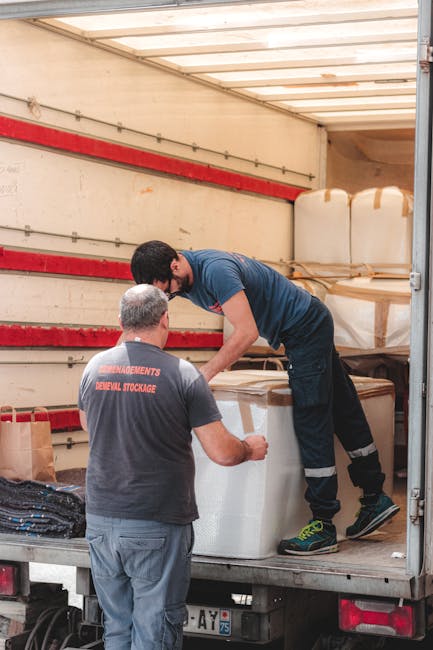
Moving house or relocating an office can create more waste than people expect. Boxes pile up, bubble wrap gets torn, vans do extra trips, and perfectly usable items sometimes end up in the skip. The good news? Eco moving practices used by professional removal teams are not complicated, and they do not mean sacrificing efficiency. In fact, the best teams often move cleaner, tidier, and with less stress because they plan properly from the start.
This guide breaks down what greener removals actually look like in real life, how professional teams make them work, and how you can choose sensible options without overthinking every roll of tape. If you are comparing a removal company, arranging home moves, or planning a business relocation through office removals, the same core ideas apply: reduce waste, reuse materials, and move in a way that makes practical sense. Simple enough. Not always easy, but simple enough.
Along the way, you will see the kinds of choices that matter most: packing materials, route planning, load efficiency, recycling, and item reuse. We will also cover common mistakes, compliance considerations, and a realistic checklist you can use before moving day.
Why Eco moving practices used by professional removal teams Matters
Green moving is not just a nice extra. It changes how a removal job is planned, packed, transported, and finished. A move that looks "cheap" at first can turn out wasteful if the team uses too many materials, drives inefficient routes, or leaves customers with bags of packaging to deal with afterwards. Eco moving practices used by professional removal teams help cut that waste at each stage.
There is also a very practical side to it. Reduced packaging means less to clear later. Better load planning means fewer wasted journeys. Reusable crates and proper wrapping methods can protect furniture better than flimsy materials that split half-way down the stairs. And for many customers, especially those using man and van or more tailored removal services, that balance of protection and efficiency matters more than people first expect.
To be fair, a lot of people only start caring about this once they are surrounded by cardboard and find themselves wondering where it all goes. That moment tends to focus the mind. A professional team with sustainable habits can make the process feel calmer, cleaner, and a bit less wasteful, which is no small thing when you are already juggling keys, labels, pets, and paperwork.
It also reflects the direction many customers want to move in. Whether the job is a single-flat move, a family house move, or a larger commercial relocation, a lower-waste approach is now a sensible standard rather than a niche upgrade.
How Eco moving practices used by professional removal teams Works
At its core, eco moving means doing the same job with fewer unnecessary resources. Professional removal teams tend to build this into their workflow in a few stages, rather than treating it as one big green gesture at the end.
1. They reduce before they pack
The best environmental win is often not packing something at all. Professional teams encourage clients to declutter first, separating keep, donate, recycle, and dispose categories. This means fewer boxes, less van space, and less material used overall. If you are planning a domestic move, services such as house removals and house removal services often work best when this part is done early.
2. They use reusable and recyclable materials where possible
Instead of relying only on single-use packaging, many removal teams use sturdy reusable crates, blankets, furniture covers, wardrobe boxes, and paper-based void fill. In everyday terms, that means less waste to throw away and better protection for awkward items like mirrors, monitors, and dining tables. You might still need some tape and protective wrap, of course. Let's not pretend a sofa can move itself wrapped in good intentions.
3. They pack with shape, not just volume, in mind
Efficient packing is a quiet eco win. The goal is to fill the moving van properly so items do not shift and no space is wasted. A well-packed load needs fewer trips, which is one of the most meaningful ways to reduce fuel use. This is where a well-prepared moving van or moving truck makes a real difference.
4. They route-plan carefully
Route efficiency is another part people rarely see. Professional teams try to avoid unnecessary mileage, awkward timing, and duplicated journeys. For office moves, where timing and access can be more complicated, careful planning is one reason office relocation services can be so useful. Fewer wasted miles means lower emissions and often less disruption too.
5. They separate waste streams properly
Not everything can be reused, and not everything should be thrown into the same bin. Professional teams usually separate recyclable cardboard, reusable wrapping, unwanted furniture, and general waste, then deal with each properly. For bulky items, a service like furniture pick up can be a practical way to stop usable pieces going to waste.
6. They match the vehicle to the job
A smaller load does not need a huge vehicle. Using the right van size is a simple but important eco habit. A move across town with one tidy load may be ideal for a compact vehicle, while larger household or business jobs may need more capacity to avoid multiple return trips. The point is not "small is always best"; the point is "right-sized is best".
Key Benefits and Practical Advantages
Eco moving practices are sometimes described as purely environmental, but the practical benefits are often what customers notice first.
- Less waste: fewer disposable materials and less packaging clutter after the move.
- More efficient loading: better use of space reduces repeat journeys.
- Cleaner move day: tidy packing systems make the whole job feel more organised.
- Better protection: reusable blankets and crates can cushion items more reliably than weak single-use wrap.
- Lower stress: a structured process means fewer last-minute scrambles.
- Potential cost control: efficiency can help avoid paying for unnecessary time, fuel, or labour.
There is also a less obvious advantage: eco-friendly methods often force better planning. And better planning saves headaches. If a team has already measured access points, planned the lift routes, and selected the right moving vehicle, the job usually runs more smoothly. That applies whether you are moving a flat in London or handling a longer-distance relocation through outside London services.
Another benefit is reputation and trust. Customers increasingly want to know that a provider does not just talk about sustainability, but actually acts on it. Reading about a firm's approach on pages such as recycling and sustainability and about us can give you a clearer sense of how seriously they take that responsibility.
Who This Is For and When It Makes Sense
Eco moving is useful for almost anyone, but it is especially relevant if any of these sound familiar:
- You have a lot of packing material to get rid of and want to avoid unnecessary waste.
- You are moving on a tight schedule and need the process to be organised, not chaotic.
- You are relocating a home or office with bulky furniture, electronics, or mixed waste streams.
- You want your move to feel more considered and less throwaway.
- You are comparing providers and want to know who actually plans sustainably.
Families often appreciate it because there is already enough going on. Boxes, school runs, missing scissors, one child asking where the kettle is before the kettle has even left the kitchen. Eco moving can cut some of the clutter. Small businesses and offices like it because it can reduce downtime and simplify disposal of old furniture or obsolete equipment. In those situations, commercial moves and packing and unpacking services can be a good fit.
It also makes sense for customers who are already trying to make more responsible choices in everyday life. If you recycle at home, donate usable items, and prefer to repair rather than replace, a greener removals process will probably feel like the natural extension of that mindset.
Step-by-Step Guidance
If you want a move to be genuinely more eco-conscious, do not start with tape. Start with decisions.
- Sort your belongings early. Decide what stays, what goes, and what can be reused or donated.
- Book the right type of move. Match the service to the scale of the job. Smaller moves may suit man with a van or removal van options, while larger jobs may need more structured logistics.
- Ask about packaging choices. Reusable crates, padded covers, and recyclable paper materials are usually better than excessive disposable wrap.
- Label by room and priority. Good labelling saves time on unloading, which can reduce labour and confusion.
- Disassemble only where needed. Flat-pack what makes sense, but do not strip furniture down unnecessarily. More parts can mean more wrapping and more time.
- Load efficiently. Heavy items go first, fragile items are secured, and voids are filled properly so nothing moves.
- Deal with unwanted items responsibly. Reuse, donation, recycling, or specialist collection should be considered before disposal.
- Review the job after the move. A quick debrief helps you spot what could be improved next time.
A small example: if a two-bedroom flat move is planned well, you might only need one main load and a handful of reusable covers, with very little leftover waste. If it is planned badly, you may end up with extra journeys, torn boxes, and a mountain of packaging on the hallway floor. The difference is not subtle.
Expert Tips for Better Results
Here is where the little habits matter. They sound minor, but they add up fast.
Choose sturdier materials once, not weak materials twice
Cheap boxes that collapse under weight are not eco-friendly just because they are cardboard. If a box fails and the contents need reboxing, you have wasted the material and the time. One strong box is better than two flimsy ones.
Reuse what you already own
Towels, duvets, blankets, and suit covers can sometimes protect soft furnishings without requiring lots of extra wrap. A professional team will know where this is sensible and where specialist protection is still needed.
Book the right access window
If parking or lift access is poor, teams may spend time waiting, circling, or carrying items farther than necessary. Good timing helps cut emissions and keeps the day calmer. It sounds obvious. It often gets forgotten.
Be realistic about decluttering
Eco moving does not mean keeping things "just in case". If you have not used the second kettle in years, it is probably not part of your future. Be kind, but be honest.
Ask for sustainability to be built into the quote
If a provider offers a quote through pricing and quotes, it is reasonable to ask what kind of materials, vehicle sizing, and disposal approach are included. A useful provider should be able to explain this without sounding evasive.
Expert summary: The most effective eco moves are not the fanciest ones. They are the well-planned ones: fewer trips, less waste, smarter packing, and better decisions before moving day even arrives.
Common Mistakes to Avoid
Some mistakes are small but expensive in time, effort, and waste.
- Over-packing boxes: this causes breakages and often leads to extra packaging.
- Using too many disposable materials: it creates unnecessary waste and more clean-up afterwards.
- Ignoring decluttering: moving things you do not need is a classic waste trap.
- Choosing the wrong vehicle size: too small means more trips, too large can mean inefficiency.
- Not separating recyclables: mixed waste is harder to manage responsibly.
- Forgetting access details: poor planning around parking, stairs, or lifts slows everything down.
- Assuming "green" means expensive: not always true. Wasteful is often what costs more in the end.
Another common one: leaving sustainability questions until the last minute. By then, the packing is underway, the kettle is in a box with the cutlery for some reason, and no one wants to re-plan the whole job. Ask early. It saves awkwardness later.
Tools, Resources and Recommendations
You do not need a van full of specialist kit to move sustainably, but a few tools make a huge difference.
Useful tools and materials
- Reusable moving crates: sturdy, stackable, and better for repeat use.
- Furniture blankets: excellent for protecting corners, wood surfaces, and upholstery.
- Wardrobe cartons: reduce the need to fold or crush clothing unnecessarily.
- Paper-based packing material: a cleaner option for filling empty spaces.
- Label rolls and markers: simple, but they prevent confusion and double handling.
- Ratchet straps and load guards: help secure items so they do not slide around in transit.
Useful service pages to review
If you are comparing service types, the following pages can help you understand the range of support available: removals, movers, removals near me, and house mover. For smaller or more flexible jobs, you may also want to look at man with van removal and man and van removals.
And if your move includes good-quality items you no longer need, keep furniture pick up in mind. Reuse before disposal is one of the simplest principles in sustainable moving, and it tends to feel pretty satisfying too.
Law, Compliance, Standards and Best Practice
Eco moving is partly about service quality, but it also touches on expected standards around waste handling, safety, and responsible business practice. In the UK, removal teams should take care to handle waste appropriately, transport items safely, and avoid sloppy disposal habits that could create problems for the customer or the environment.
You do not need to turn moving day into a legal seminar. But it is sensible to understand the basics. For example, a professional provider should have clear processes for dealing with unwanted items, protecting property during transit, and handling materials in a way that is consistent with their stated health and safety policy and insurance and safety approach.
Best practice usually includes:
- Safe lifting and loading methods to reduce damage and injury risk.
- Responsible sorting of recyclable and non-recyclable materials.
- Transparent communication about what will be reused, removed, or disposed of.
- Clear customer terms so there are no surprises about access, timings, or item handling.
For businesses, sustainability also overlaps with duty of care and internal governance. That is where service pages like office relocation services and modern slavery statement can help signal that a provider takes wider responsibility seriously, not just the move itself. It is not flashy, but it matters.
Options, Methods and Comparison
Different moving methods have different environmental profiles. The best choice depends on the size of the move, distance, access, and how much you want to handle yourself.
| Method | Best for | Eco strengths | Watch-outs |
|---|---|---|---|
| Full-service removals | Homes, offices, larger or more complex moves | Better planning, fewer mistakes, efficient packing and loading | Needs a provider that actually follows sustainable practices |
| Man and van | Smaller moves, single rooms, light relocations | Can be efficient for short local jobs and compact loads | May require more customer involvement in packing |
| Vehicle hire only | DIY movers with experience | Can be simple if you already have packing materials and help | Easy to waste fuel, time, and materials if poorly planned |
| Hybrid approach | People who want help with some tasks but not all | Balanced use of labour and materials | Needs clear coordination so nothing is duplicated |
If you are unsure, ask yourself a simple question: what will create the least waste while still protecting the things you care about? That usually leads you to the right choice. Not always the cheapest on paper, but often the most sensible overall.
Case Study or Real-World Example
Here is a realistic example from the sort of move many teams handle week in, week out.
A couple moving from a two-bedroom flat wanted to reduce waste because they had already donated a sofa, some shelves, and several kitchen items. They booked a team that offered a more structured move rather than trying to do everything themselves. On packing day, reusable covers were used for the mattress and dining chairs, while cardboard use was kept to a minimum. Items were grouped by room, which made unloading straightforward. The van was packed tightly enough that no second trip was needed.
What stood out was not anything dramatic. It was the small things: fewer torn boxes, less loose wrapping, and a much cleaner finish in the old property. By late afternoon, there was very little rubbish left behind, and the move felt tidy rather than chaotic. That may sound minor, but if you have ever been knee-deep in packing paper at 8pm, you know it is not minor at all.
For a business move, the same principles apply on a larger scale. Office chairs, monitors, archive boxes, and old cabinets can all be sorted properly before loading. When the team understands both the logistics and the sustainability side, the result is smoother for everyone involved.
Practical Checklist
Use this before moving day if you want a cleaner, greener process.
- Decluttered and separated items into keep, donate, recycle, and dispose.
- Checked which items can be reused or repurposed.
- Chosen a move type that suits the size of the job.
- Confirmed access details, parking, and timing.
- Asked about reusable crates or eco-friendly packing materials.
- Labelled boxes clearly by room and priority.
- Protected fragile items with suitable materials, not just excess tape.
- Planned where unwanted furniture or bulky items will go.
- Reviewed the provider's recycling and sustainability approach.
- Checked practical policies such as payment and security and terms and conditions so the booking is clear.
If you are moving within the capital, it can also help to look at the provider's London page, especially if access, parking, or timing is likely to be tighter than average. For moves further afield, outside London information may be more relevant.
Conclusion
Eco moving is not about doing everything perfectly. It is about making better choices at the points that matter most: what you keep, what you pack, how you transport it, and what happens to the leftovers. Professional removal teams that take sustainability seriously usually do so through discipline, not drama. Less waste. Better planning. Smarter loading. Fewer pointless trips.
That approach helps the planet a little, sure, but it also helps you. The move feels tidier, calmer, and more in control. And honestly, that is what most people want on moving day. Not a lecture. Not a glossy promise. Just a job done properly, with care and a bit of common sense.
When you are ready to compare options, choose a team that can explain its process clearly and back it up with real practice, not just nice wording on a page. A thoughtful move is usually a better move.
Get a free quote today and see how much you can save.
Frequently Asked Questions
What are eco moving practices used by professional removal teams?
They are practical methods that reduce waste and unnecessary fuel use during a move. That usually includes reusable packing materials, better load planning, responsible disposal, and fewer unnecessary trips.
Do eco-friendly removals cost more?
Not always. Some greener methods, like reusing covers or packing efficiently, can actually help control costs. The final price depends more on distance, volume, access, and the level of service required.
How do removal teams reduce waste during a move?
They usually start with decluttering, then use reusable crates, recyclable materials, and efficient loading. Good teams also separate reusable items from rubbish so less ends up in general waste.
Is a man and van service eco-friendly?
It can be, especially for smaller local jobs where a compact vehicle is enough for the load. The key is matching the vehicle to the job so you do not need multiple trips.
What packing materials are best for a greener move?
Reusable crates, furniture blankets, paper-based packing fill, and sturdy boxes that can be used again are generally better choices than excessive single-use wrap.
Should I declutter before booking removals?
Yes, if you can. Decluttering reduces the amount of stuff to pack, transport, and unpack. It also makes the move simpler and usually less wasteful.
How can I tell if a removal company is genuinely sustainable?
Look for clear explanations of their packing approach, waste handling, and recycling practices. Pages like recycling and sustainability and about us can give you a better sense of how they operate.
Can eco moving help with office relocations too?
Yes. Office moves often create a lot of packaging and old equipment, so greener planning can make a big difference. It is especially useful when handling furniture, files, and electronics.
What happens to furniture I no longer want?
That depends on the condition of the item. Usable furniture may be repurposed, collected, or moved on through a furniture pick-up arrangement. Damaged items may need to be recycled or disposed of responsibly.
Is recyclable cardboard always the best option?
It is useful, but not automatically best in every case. If cardboard boxes are too weak and get replaced halfway through the move, the waste is worse. Strong, reusable packaging often performs better overall.
How far in advance should I arrange an eco-conscious move?
Earlier is better. That gives you time to declutter, book the right team, and sort reusable or recyclable items without rushing. A rushed move tends to create more waste, plain and simple.
What should I ask before booking a removal team?
Ask how they handle packing materials, whether they offer reusable options, how they deal with unwanted furniture, and what vehicle size they recommend. If they answer clearly, that is a good sign.